Source Foundry Air Hammer for Machinery Parts and Metal Forging
Find 30 foundry air hammer models from China, including C41 series variants with pneumatic power sources. Compare specifications like striking capacity, motor power, and forging tolerance to select the right equipment for industrial machinery parts and metal processing applications.
Key considerations
Products List




Comprehensive Sourcing Guide
Foundry Air Hammer Sourcing Guide
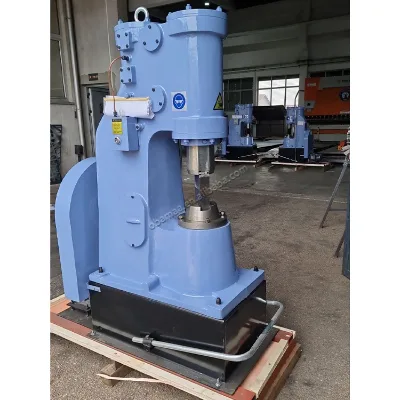
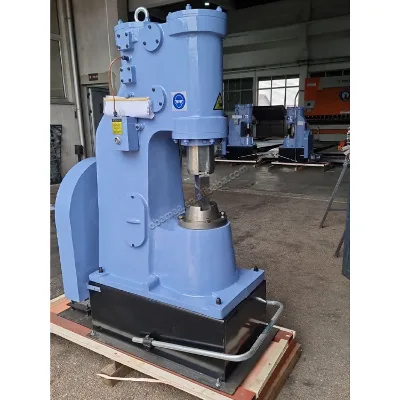
The foundry air hammer is a critical piece of equipment designed for high-efficiency forging operations, primarily serving the machinery parts sector. These pneumatic machines utilize compressed air to drive a heavy ram, delivering precise blows to shape metal components through mold forging. The observed product listings indicate a strong focus on industrial applications where consistent, high-speed impact is required to process metal objects, with specific models ranging from smaller units like the C41-16 to larger capacity variants such as the C41-150kg. Buyers should recognize that these machines are engineered for durability, often featuring robust construction with anvil weights and striking capacities that vary significantly based on the specific model selected for the production line.
When evaluating these units, procurement teams must distinguish between different operational parameters, such as the height of the working area and the specific power requirements. The market data reveals a diverse range of specifications, including models with a 4KW motor and others operating at 1.5KW, alongside variations in striking frequency and energy output. This variability means that a single specification does not apply to all units; instead, buyers must match the machine's capabilities, such as the 245mm working height or specific beat weights, to their existing production workflows. Understanding these distinctions is essential for selecting a unit that integrates seamlessly with current foundry processes without requiring extensive facility modifications.
Product Scope and Observed Listing Signals
The product scope for foundry air hammers encompasses a variety of models designed for different forging tolerances and material processing needs. Listings frequently highlight customization availability, allowing buyers to tailor the equipment to specific production demands. The observed data points to a range of standard models, including the C41-25, C41-40, and C41-100 series, each offering distinct capabilities in terms of weight and striking energy. These machines are typically constructed from iron and steel, ensuring the structural integrity required for the high-stress environment of a forging shop. The presence of pressure casting and hot galvanized surface treatments suggests a focus on longevity and resistance to the harsh conditions often found in metalworking facilities.
Listing signals also reveal specific physical attributes that define the operational footprint of these machines. Buyers will encounter units with varying weights, ranging from lighter models around 290kgs to heavier industrial units weighing up to 1880kgs. The packaging is consistently noted as a plywood case, which is a standard practice for protecting heavy machinery during transit from the origin, typically identified as Shandong, China. These signals indicate that the market offers a spectrum of equipment suitable for both small-scale operations and large-scale industrial forging, with the primary differentiator being the specific model's capacity and the associated mechanical specifications like the 1440rpm speed or specific beat capacities.
Technical Specifications to Verify
Verification of technical specifications is paramount when sourcing a foundry air hammer, as the performance of the machine directly impacts production efficiency and part quality. Buyers must carefully examine the power source, which is predominantly pneumatic, and ensure the facility's compressed air supply matches the required pressure and volume for the selected model. Critical parameters to validate include the striking frequency, which can range from 180 to 250 strikes per minute, and the maximum striking energy, which varies from 0.18kj to 2.5kj depending on the model. These figures determine the machine's ability to handle specific forging tasks, and mismatches can lead to inefficient operation or an inability to process the intended metal thickness.
In addition to power and frequency, the physical dimensions and tolerances of the forging process must be scrutinized to ensure compatibility with the buyer's tooling and product requirements. The forging tolerance is a key metric, with observed values ranging from +/-0.1mm to +/-0.2mm, indicating the precision level achievable with the equipment. Buyers should also verify the height of the working area, which is listed at 245mm for certain models, to ensure it accommodates the necessary die sets and workpieces. Furthermore, the heat treatment processes, such as normalizing and tempering, applied to the machine's components are vital for maintaining structural integrity under repeated high-impact loads, and these details should be confirmed in the technical datasheet.
Compliance and Safety Documentation
Compliance and safety documentation are non-negotiable elements of the procurement process for heavy industrial machinery like foundry air hammers. The observed listings indicate that products often carry certifications such as CE and ISO 9001:RoHS, which serve as evidence that the manufacturer adheres to specific safety and environmental standards. However, buyers must request and verify the actual certification documents rather than relying solely on listing claims, ensuring that the specific model purchased meets the regulatory requirements of the destination country. The presence of a "Condition: New" status and warranty periods, such as the 18 months observed in some listings, further underscores the importance of validating the legal and safety standing of the equipment before finalizing the purchase.
Safety features and operational guidelines must also be thoroughly reviewed to mitigate risks associated with high-energy forging operations. The machines are designed with specific advantages, such as high efficiency and wide usability, but these benefits are contingent upon proper safety protocols. Buyers should ensure that the supplier provides comprehensive manuals detailing the safe operation of the pneumatic system, including pressure limits and emergency stop procedures. Additionally, the standard compliance, such as DIN standards or specific model standards like C41-25, should be cross-referenced with local safety regulations to guarantee that the equipment can be legally and safely integrated into the workplace.
Cost Drivers and Commercial Terms
The cost of a foundry air hammer is influenced by several key drivers, including the model's capacity, material composition, and the extent of customization required. The observed price range of 1000 to 20,000 USD reflects the significant variation in specifications, from smaller, lighter units to heavy-duty industrial machines with higher power ratings and striking capacities. Buyers should anticipate that models with higher striking energy, such as those exceeding 1kj, or those with larger anvil weights, will command a premium price. Additionally, the inclusion of specific surface treatments like hot galvanization and the use of high-grade steel or iron materials contribute to the overall cost structure.
Commercial terms and logistics play a crucial role in the total cost of ownership, particularly regarding packaging and shipping. The standard packaging for these units is a plywood case, which is essential for protecting the machinery during international transit from China but adds to the shipping volume and cost. While the observed Minimum Order Quantity (MOQ) is consistently 1, allowing for flexible purchasing, buyers must negotiate lead times and shipping terms carefully. The origin location, specifically Shandong, China, is a major manufacturing hub, but the final delivery timeline and associated freight costs will depend on the specific Incoterms agreed upon and the current logistics market conditions.
Supplier Qualification and Quality Control
Supplier qualification is a critical step in ensuring the reliability and longevity of the purchased foundry air hammer. Buyers should prioritize suppliers who can demonstrate a proven track record in manufacturing metal processing equipment, specifically those with experience in forging hammers. The presence of certifications like ISO 9001 suggests a commitment to quality management, but it is essential to verify the supplier's ability to maintain these standards consistently. Additionally, the supplier's location in Shandong, China, indicates access to a robust supply chain for raw materials like iron and steel, which can be a positive indicator of production capacity and material quality.
Quality control measures must be rigorously applied throughout the manufacturing and pre-shipment phases to ensure the equipment meets the specified technical requirements. Buyers should request detailed inspection reports that cover critical aspects such as the forging tolerance, heat treatment processes, and surface treatment quality. The observation of specific attributes like the 4KW motor or 1880kgs weight for certain models highlights the need for precise verification of these specifications against the actual delivered unit. Establishing a clear quality control protocol, including third-party inspections if necessary, helps mitigate the risk of receiving equipment that does not perform as expected in the foundry environment.
Long-Term Procurement Checks
Long-term procurement checks focus on the sustainability and support infrastructure surrounding the foundry air hammer. The warranty period, observed as 18 months in some listings, is a key indicator of the manufacturer's confidence in their product's durability. Buyers should ensure that the warranty terms are comprehensive, covering not just the mechanical components but also the pneumatic systems and electrical parts. Furthermore, the availability of spare parts and technical support is crucial for minimizing downtime in a production setting. A supplier that offers a robust after-sales service network can significantly enhance the operational lifespan of the equipment.
Continuous performance monitoring and maintenance planning are essential for maximizing the return on investment in foundry air hammers. Buyers should establish a schedule for regular inspections of critical components, such as the ram, anvil, and pneumatic valves, to prevent unexpected failures. The high-speed operation, with frequencies reaching up to 250 strikes per minute, places significant stress on the machine, making proactive maintenance vital. By maintaining detailed records of the machine's performance and adhering to the manufacturer's recommended maintenance procedures, buyers can ensure that the equipment continues to meet the required forging tolerances and efficiency standards over the long term.
FAQs
What certifications do foundry air hammers typically have?
Foundry air hammers typically hold ISO 9001, RoHS, and CE certifications. These standards ensure the machinery meets international quality and safety requirements for industrial use. Buyers should verify specific certification documents with suppliers to confirm compliance with local regulations and operational safety protocols before procurement.
Which materials are used in forging hammer construction?
Forging hammers are primarily constructed from iron and steel materials. These robust materials provide the necessary durability and strength to withstand high-impact operations. The specific material choice depends on the model's capacity and intended application, ensuring long-term reliability in heavy-duty machinery parts manufacturing environments.
Can foundry air hammers be customized for specific needs?
Yes, customization is available for many foundry air hammer models. Manufacturers offer tailored solutions to meet specific production requirements, including adjustments to working area height and power sources. Buyers can request modifications to ensure the equipment integrates seamlessly with existing factory workflows and meets precise operational specifications.
What is the standard packaging for these machines?
Machines are typically packed in plywood cases for secure transportation. This packaging method protects the equipment from damage during shipping and handling. The sturdy construction ensures that critical components remain intact, facilitating safe delivery to various global locations while maintaining the integrity of the machinery upon arrival.
What is the warranty period for air hammers?
The standard warranty period for these air hammers is 18 months. This coverage provides buyers with assurance regarding the product's reliability and manufacturer support. It is advisable to review the specific warranty terms with the supplier to understand the scope of coverage and any conditions that may apply.
How is the power source defined for these hammers?
The power source for these hammers is pneumatic. This system utilizes compressed air to drive the hammer mechanism, offering efficient and consistent striking force. Pneumatic operation is preferred in many foundries for its reliability and ease of integration with existing compressed air infrastructure in industrial settings.